Exploring the biochemical processes that determine energy expenditure and body composition.
Metabolism encompasses all biochemical processes occurring within living organisms to maintain life. In the context of nutrition and body composition, metabolism typically refers to energy metabolism—how the body obtains energy from food, stores it, and expends it through various activities and processes.
Total Daily Energy Expenditure (TDEE) consists of three primary components: Basal Metabolic Rate (BMR), Thermic Effect of Food (TEF), and Activity Energy Expenditure (AEE). Understanding these components provides insight into the factors influencing body composition changes.
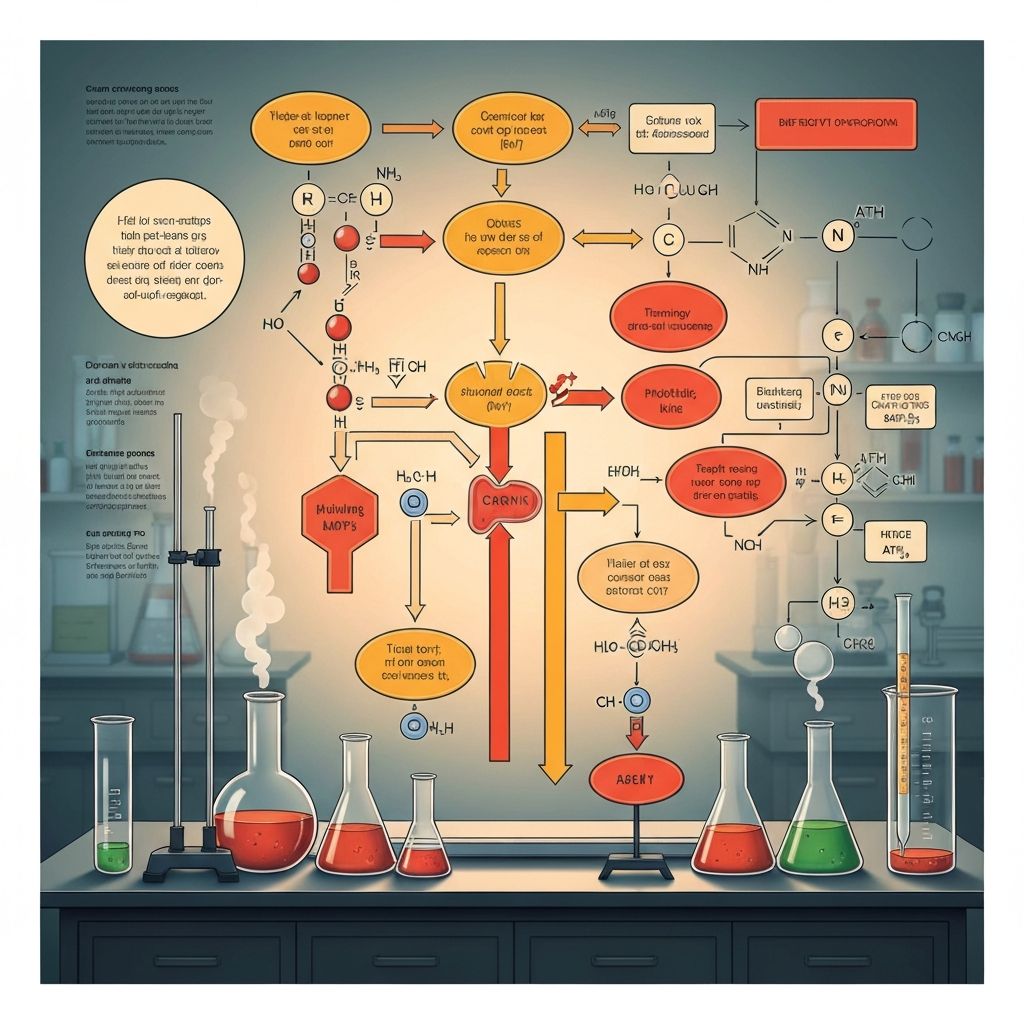
Basal Metabolic Rate represents the energy required to maintain essential physiological functions at rest, including cellular metabolism, respiration, circulation, and protein synthesis. BMR accounts for approximately 60-70% of total daily energy expenditure in sedentary individuals.
BMR can be estimated using various equations, though indirect calorimetry provides direct measurement. Direct measurement is rarely necessary for general population purposes.
Activity Energy Expenditure (AEE) includes intentional exercise and daily movement patterns. This component is highly variable among individuals, ranging from 15-30% of total daily expenditure depending on activity level.
NEAT can vary considerably and represents a significant opportunity for increasing daily energy expenditure. Occupational factors, lifestyle patterns, and individual movement tendencies substantially influence total daily activity expenditure.
The Thermic Effect of Food, also called diet-induced thermogenesis, represents the energy required to digest, absorb, and process nutrients from food. TEF typically accounts for 8-15% of total daily energy expenditure and varies based on macronutrient composition.
This variation explains why higher protein intake is sometimes associated with greater energy expenditure. However, the absolute difference is modest compared to total energy balance considerations.
When energy intake is reduced substantially, the body initiates metabolic adaptations designed to conserve energy. These include decreased thyroid hormone production, reduced spontaneous physical activity, and improved metabolic efficiency. While adaptive thermogenesis is real, its magnitude is often overstated.
Understanding metabolic components enables realistic expectations about energy balance. Body composition changes require sustained adjustment to lifestyle patterns rather than temporary dietary restriction. The most effective approach involves moderate, sustainable changes that can be maintained long-term.